.svg)


.svg)





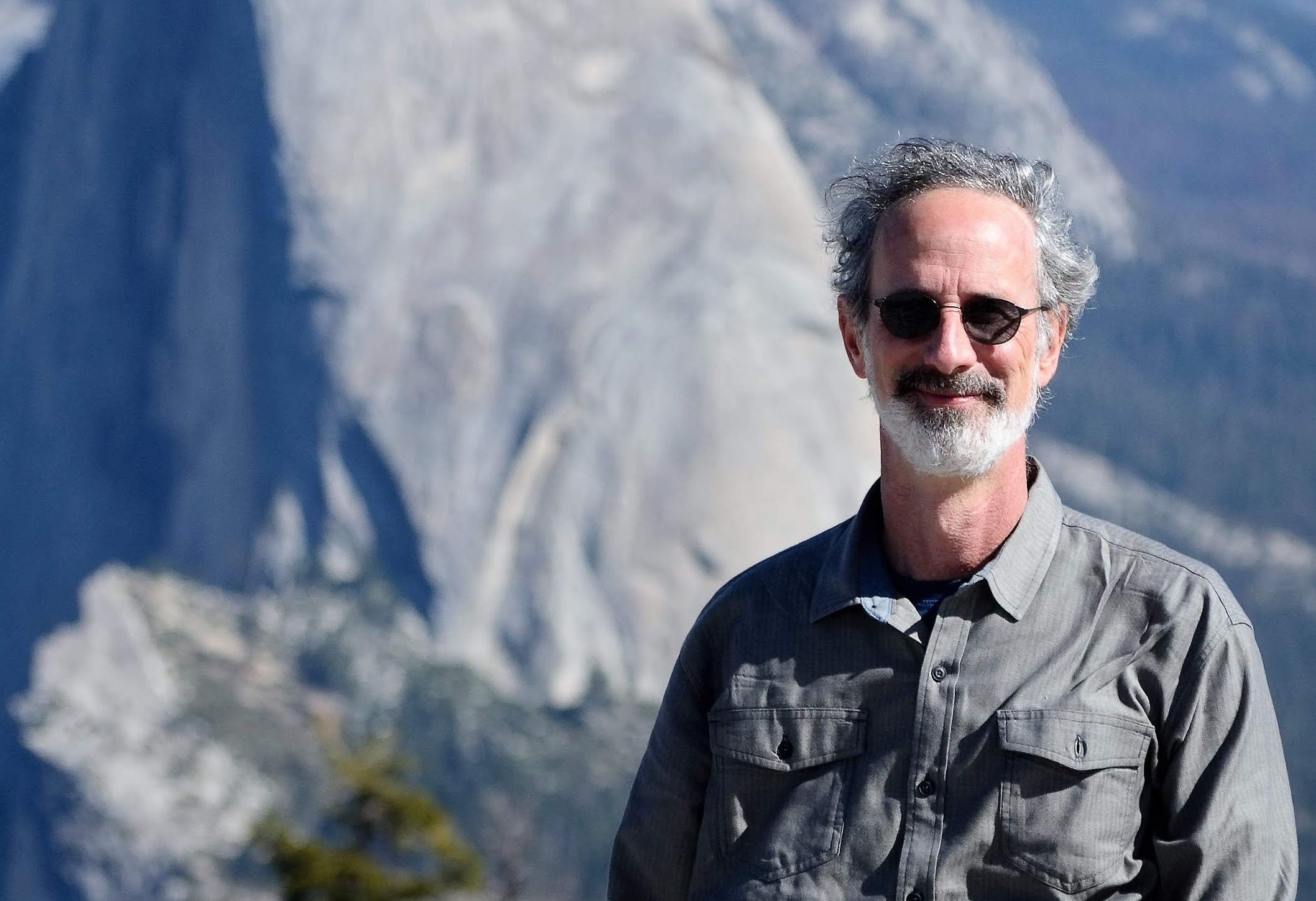
Dr. Peter H. Gleick
Über Wasserkrisen, menschliche Konflikte und warum die Rückverbindung mit Wasser die wichtigste Veränderung unserer Zeit sein könnte.
An Wasser denken wir erst, wenn es weg ist.

Wer ist unser Gast?
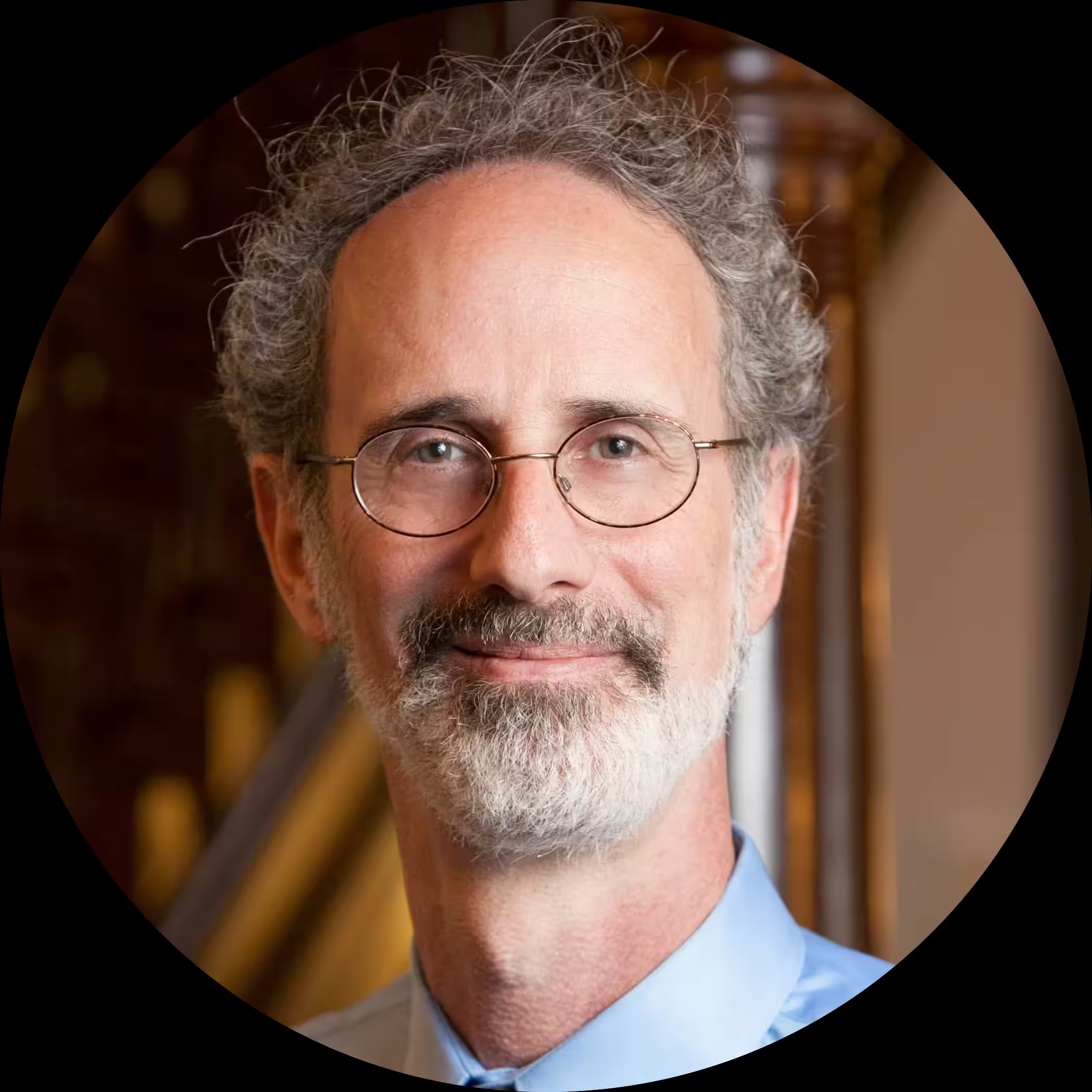
Dr. Peter H. Gleick is an American scientist, MacArthur Fellow, and co-founder of the Pacific Institute in Oakland, California - a world-renowned expert on water and climate, on a mission to prove that a sustainable water future is still within reach.
Warum ich unseren Gast interviewe
Wasser prägt jede Zivilisation, jede Gemeinschaft, das Essen auf deinem Teller – doch die meisten von uns haben ihre bewusste Verbindung dazu verloren.
Was dich erwartet
Erwarte einen ehrlichen Blick darauf, wo Wasser und Menschheit heute stehen, wie ein klügerer Weg nach vorne aussehen könnte und was du und die Systeme um dich herum dazu beitragen können.
Der Interviewer

Oliver Wegner
Nach über 25 Jahren in der IT-Branche widme ich meine Zeit heute einem Thema, das mir wirklich am Herzen liegt: Wasser – die wichtigste und zugleich am meisten unterschätzte Ressource unseres Planeten. 💧
Meine Neugier treibt mich an, Persönlichkeiten zu treffen, deren Erkenntnisse und Geschichten uns alle dazu inspirieren können, wieder eine Verbindung zum Wasser aufzubauen.

Vier Jahrzehnte Wasserforschung. Gab es einen Moment, einen Ort, einen Anblick, ein Gefühl, in dem Wasser aufgehört hat, nur Daten zu sein, und zu etwas wurde, für das du dich verantwortlich fühlst?
Ich bin Wissenschaftler, und Daten sind für mich sehr wichtig, um die Welt um mich herum zu verstehen. Aber Wasser war für mich nie nur eine Frage von Daten. Es ist so eng mit dem Alltag jedes Einzelnen verflochten, mit der Art, wie wir über das Leben nachdenken, wie wir über die Dinge entscheiden, die wir tun, und mit der Umwelt um uns herum.
In den 1990er-Jahren habe ich viel in Südafrika gearbeitet. Die Apartheid war gerade beendet. Es gab eine neue Regierung, und es herrschte eine Atmosphäre der Aufbruchstimmung, da die Regierung unter Mandela versuchte, alte Politikbereiche neu zu überdenken, darunter auch Fragen rund um das Thema Wasser. Das war meine erste wirkliche Begegnung mit Menschen ohne Zugang zu sauberem, bezahlbarem Wasser.
Ich bin in den Vereinigten Staaten aufgewachsen. Ich drehe den Wasserhahn auf und bekomme sauberes, erschwingliches Wasser. Aber das gilt natürlich nicht für Milliarden von Menschen weltweit. Das war vielleicht mein Weckruf. Seitdem arbeite ich in diesem Bereich und gehe wann immer möglich an Flüsse oder Seen, um den Bezug zur echten Welt nicht zu verlieren.

Dein Buch „The Three Ages of Water" beschreibt ein hoffnungsvolles Drittes Zeitalter, aber es erfordert, dass Menschen wirklich fühlen, sich verbunden fühlen, handeln. Haben wir unsere bewusste Beziehung zum Wasser verloren und wenn ja, wie bekommen wir sie zurück?
Das Buch erzählt die lange Geschichte des Wassers - vom Beginn des Universums bis zu frühen Zivilisationen, die eine enge Verbindung zum Wasser hatten.
The second age is our age - the age when we developed the technologies to expand agriculture and feed billions of people. But the second age is also the age of water crises. I do argue that we can move to a future of sustainability, that we can solve the crises of the second age and move to a more successful, sustainable future.
We haven't lost our understanding and our connection to water entirely. It takes very little for people to reconnect to water if they're exposed to nature or to water challenges in their own community.
We just have to work to build that relationship everywhere, and to make people aware that there isn't just a water problem, there isn't just a series of crises. There are solutions that permit us, if we're smart, to move to this positive third age of water.
You argue water shaped every human civilization from the beginning. Yet most people today turn on a tap and feel nothing. Is that disconnection the real crisis - and what do you observe when you talk to people across generations and cultures about it?
The disconnection is real, but the real crisis is the consequences of ignoring water problems or failing to address them. The more we can connect people to water, the more people are likely to want to understand what the problems are and then to move toward solutions.
Think about your own daily life: Do you understand where your water comes from? Where does it originate? How is it treated? How is it brought to your house or your community? What happens when you take a shower and the water goes down the drain, or you wash your dishes, or you flush your toilet and the water magically disappears? Where does it go?
The more we understand ourselves about our water systems, the more likely we are to be engaged, to want to ensure that those benefits continue, to participate in the public policy process, to talk to your legislators about protecting water quality. So if all of us think a little more and ask the question: How does water affect me in my daily life? That's an important way to rebuild some of those connections.
Looking back across your career in water - what do you know today that you wish someone had told you at the very beginning, forty years ago - and why is it genuinely important that more people know it now?
Oh, that's a tough one to ask, you know, I learn new things about water literally every day. One of the most important things for anyone interested in water, either at a personal level or even a professional level, is to understand how it is connected to everything. It's not a question of hydrology or climate or technology and engineering or economics or law. It's all of those things.
It wasn't enough to have a science degree or an engineering degree if you didn't understand economics or policy. It wasn't enough to address the economic or policy side of things if you didn't understand at least the basics of hydrology and engineering and technology.
I encourage people interested in water to take a broad view to understand that the more we know about our own cultures and societies and systems, the more likely we are to develop smart and effective solutions.
Persönliche Einblicke
Lerne unseren Gast kennen
Erfahre mehr über die Person hinter den Antworten.
Lieblingsort
Lieblingsbuch
Lieblingssong
Ein Rat fürs Leben
Größte Herausforderung
Lieblingsfilm/-serie
Your Water Conflict Chronology database covers thousands of years of water-related conflict. What patterns emerge - and what do they tell us about how humans need to value water differently?
The Water Conflict Chronology is the largest opensource database available on water and violence around the world. We look at conflicts in three ways: water as a trigger of conflict, fights over access or control of water where water is scarce. And water as a weapon - water systems as targets or casualties of conflicts that may start for other reasons.
One of the things the long history of this data tells us - going back to what some consider the very first water war in ancient Mesopotamia - is that these kinds of conflicts aren't new. But also that the number of conflicts and the extent of conflicts are accelerating very rapidly in recent years. We're seeing many more violent events associated with water and water infrastructure in the last 10 or 20 years than in previous history.
It is growing populations competing for a fixed resource - more people every day, but the same amount of water on the planet. Is it the failure of our institutions to manage water sustainably? Water poverty is a driver of conflict. We also see more and more violations of international law, where water systems are attacked and civilians are deprived of access to safe water. The more we can learn about why past conflicts over water have occurred, the more we can develop strategies for reducing those risks, for improving access to water, strengthening international laws, and managing water more sustainably.
You pioneered the concept of a "soft path for water." What does that look like in everyday life for someone in San Francisco, Jakarta, or Berlin?
The hard path is the traditional approach - build large centralised infrastructure, big dams, aqueducts. The hard path has brought enormous benefits to us. It has permitted the development of our modern societies. But it also brought unintended consequences: impacts on the environment, the failure to provide safe water and sanitation to everyone, centralised institutions that benefit some but not all. And in a world where we're running out of new sources of water, rivers running dry, groundwater being overdrafted, simply finding more supply is no longer enough.
The soft path says: let's not just think about water supply. Can we do the things we want to do with less water? Can we grow more food with smart, efficient irrigation? Can we wash our clothes and flush our toilets with better appliances that use less water but do a better job? Can we do industrial activities with less water than the traditional water-intensive processes?
Part of the soft path is thinking about demand, not supply. Part of it is taking account of ecosystems. Part of it is smarter economics and smarter institutions.
If someone is watching or reading this right now, what's the most important thing about water you want them to keep in mind - and what's the one thing they should do, starting today?
Take the care that you have about water and make it into an action, either at a personal level, or at the community level, or at a national level, or at a global level. There are so many different things that could be done and need to be done.
Even if it's just a minor personal change, a change in your diet away from water-intensive meat consumption, a change in how you water your garden, buying an appliance that uses less water. Or getting involved in your local community. Or getting involved in local politics. Bring a new set of visions and a new mindset - all the way up to global actions.
There are so many success stories in using less water, using water more efficiently, getting engaged in local communities, and protecting the environment. If we just weave them together, this soft path isn't an idea. It becomes a reality. And then we're talking about a movement.
Wichtige Erkenntnisse & Zitate
Was uns aus diesem Gespräch besonders in Erinnerung geblieben ist.
Wasser prägt Zivilisationen, Konflikte und unseren Alltag. Die Verbindung zu Wasser wiederherzustellen ist dringender und zugleich einfacher, als die meisten von uns glauben. Es beginnt mit der Frage, woher unser Wasser kommt. Der eigentliche Wandel besteht darin, den Blick von der Versorgung auf den Verbrauch zu richten: weniger nutzen, klüger nutzen, gemeinsam handeln. Jede Ebene zählt – von einer veränderten Ernährung bis hin zur Mitwirkung in einem lokalen Wassergremium.







Entdecke weitere inspirierende Gespräche.
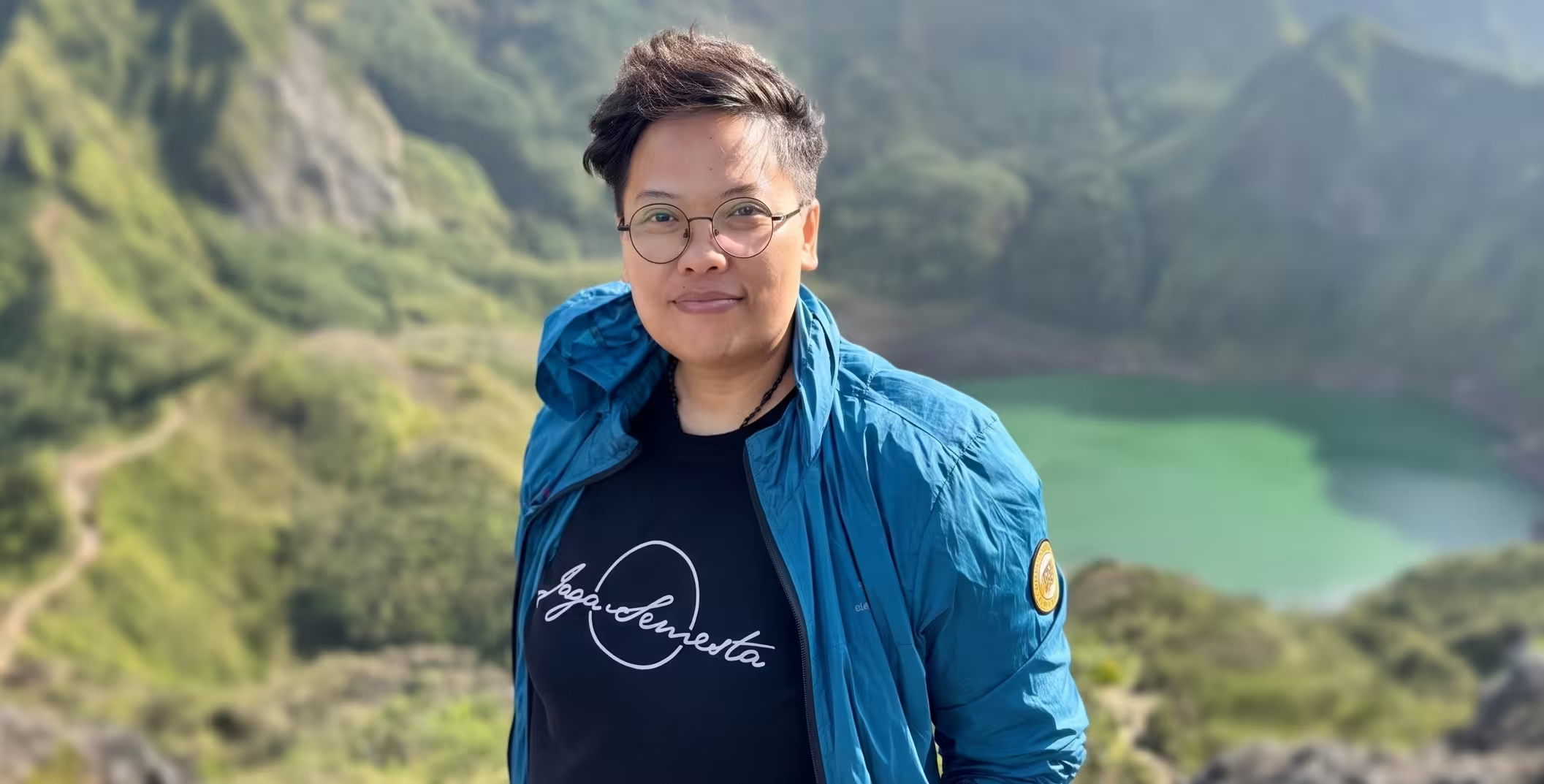

Ein Interview mit
Fainta S. Negoro

Ein Interview mit
Yanny Peñaloza

Ein Interview mit
Justina Muchelenje

Ein Interview mit
Zosia Wiśniewska

Ein Interview mit
Finnian Mollet

.svg)
.svg)