.svg)


!Hola,
!
Desde
country
This area will display your personal quote or intention.

.svg)
Haz tuyo este espacio.
Guarda favoritos, sigue tus hábitos y únete a la comunidad.
Únete a la comunidad
¿Ya tienes cuenta? Inicia sesión
¿Qué es water.day?

Colabora con nosotros
Contacta con nosotros

Catálogo de libros
Todos los libros sobre el agua, en un solo lugar
The magazine of the

https://www.watermovement.world




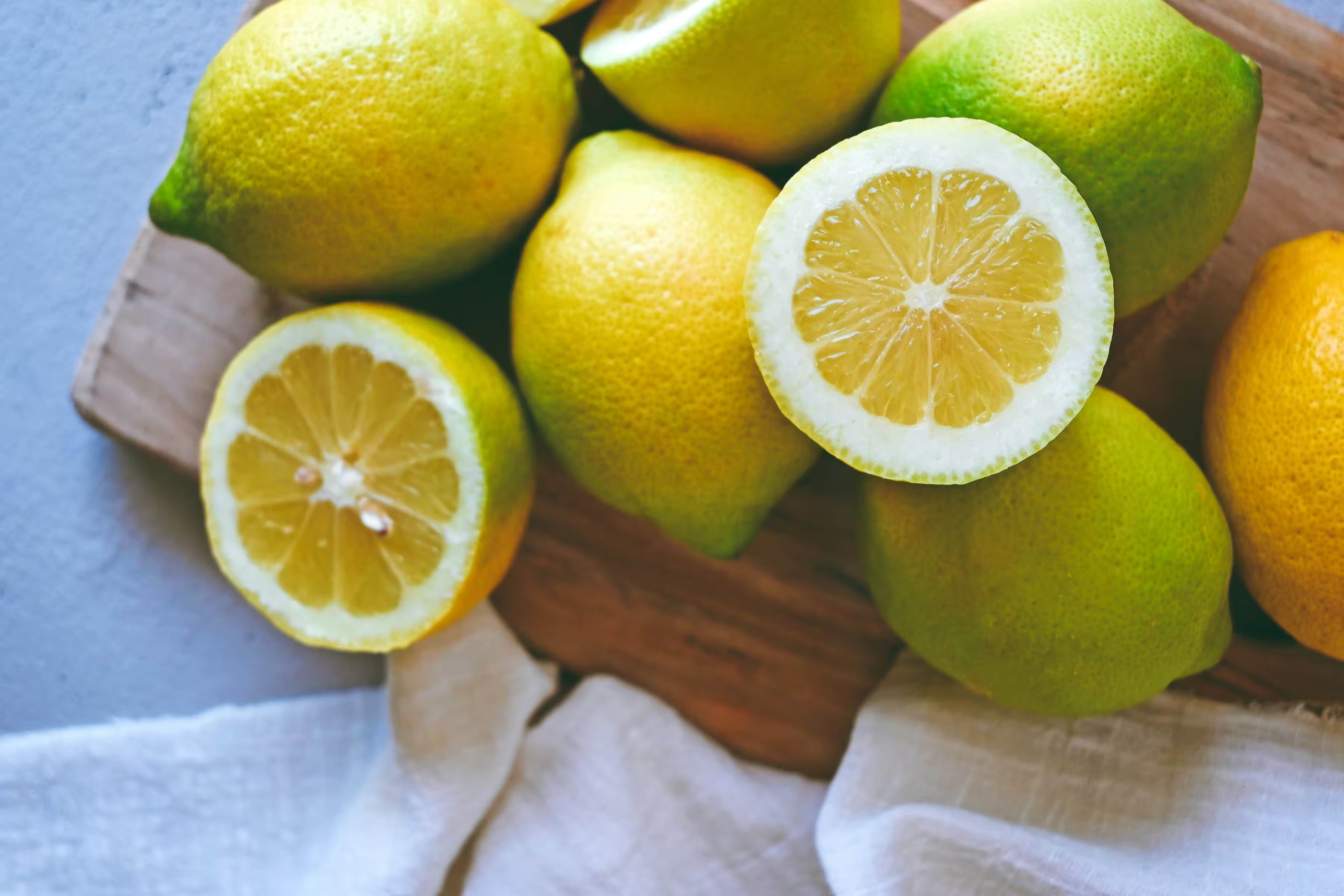
La ciencia detrás del poder del agua para extraer sabores
Deja caer una rodaja de limón y ¡boom! sabor instantáneo. No es tu imaginación: tus papilas gustativas no te engañan.
Las moléculas polares se activan en cuanto algo toca tu agua

El agua es como una persona muy sociable
Las moléculas de H₂O no solo «fluyen»: son literalmente polares. Cada una tiene un extremo ligeramente positivo y otro negativo, lo que las hace magnéticamente atraídas a los compuestos del sabor. Científicos con láseres ultrarrápidos ya pueden medir esos enlaces de hidrógeno. Piensa en el agua como en una multitud de brazos microscópicos que intentan atrapar todo lo que cae en ella. Es una superestrella social a nivel molecular.
La verdadera ciencia te sorprenderá
Lo que ocurre se llama disolución: las moléculas de sabor se liberan del pepino o la menta y se dispersan por el agua. La velocidad depende de la química del ingrediente: algunos compuestos aman el agua (hidrofílicos) y se disuelven al instante, mientras que otros la evitan (hidrofóbicos) y van mucho más lento.

Pausa y reflexiona
¿Recuerdas la última vez que notaste lo rápido que cambiaba el sabor de tu agua?
Cómo el limón difiere del jengibre
Los cítricos son rapidísimos. El ácido cítrico y la vitamina C se disuelven casi de inmediato porque son altamente solubles en agua. Recibes esos nutrientes en tu bebida en minutos. Pero aquí está el tema: si dejas el limón demasiado tiempo (más de una hora), esos compuestos de la cáscara se vuelven amargos y agresivos. La piel libera compuestos menos amigables que no fueron invitados a la fiesta y van a arruinar el ambiente rápido.
El pepino es el amigo tranquilo
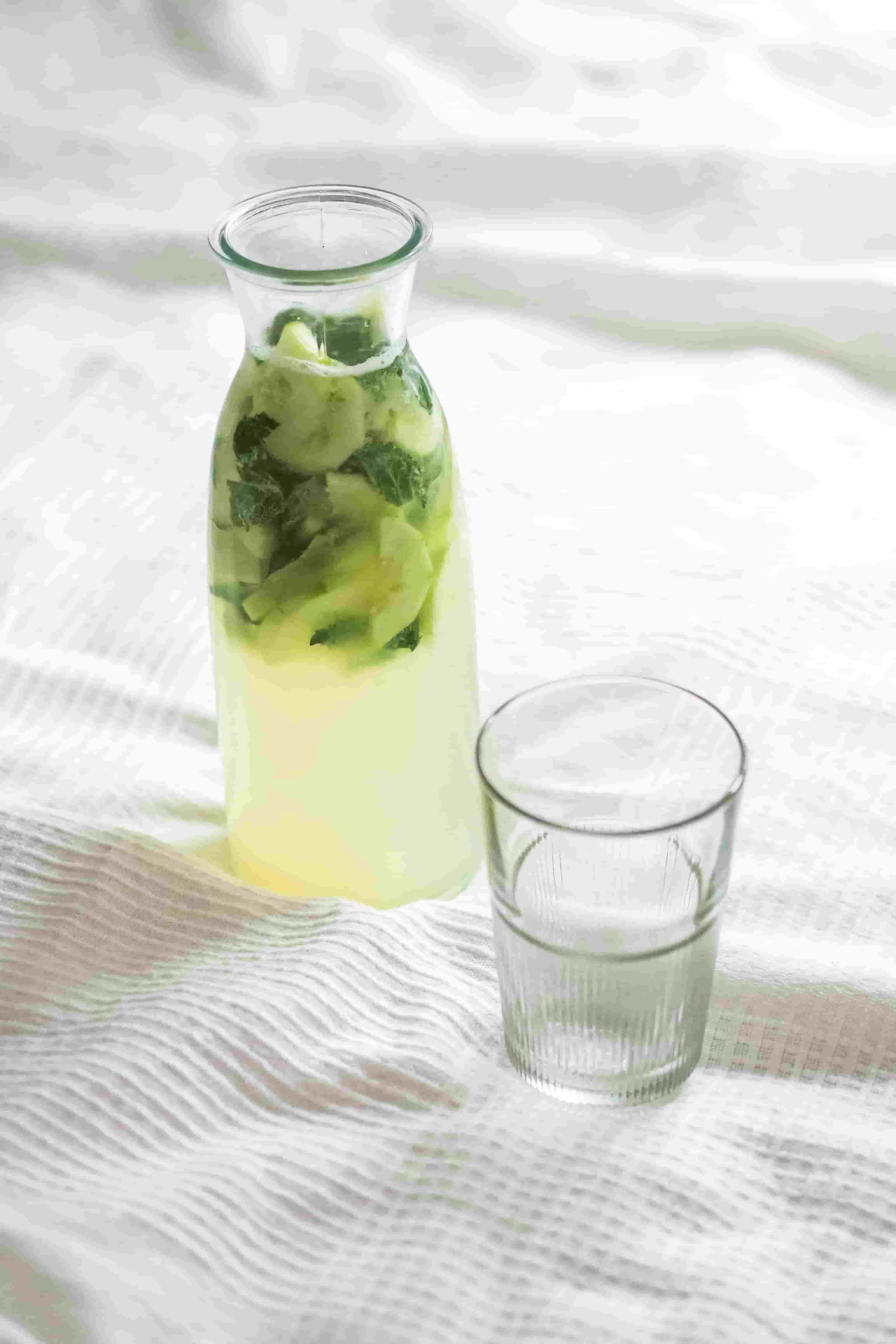
El pepino puede estar días en el agua sin dominar el sabor. ¿Por qué? Porque ya es 96 % agua, con compuestos suaves y solubles que se liberan poco a poco. A diferencia del limón o la menta, su sabor se mantiene equilibrado. Prepara una jarra por la mañana: seguirá fresca a la hora de cenar. El pepino es ese amigo relajado con energía de protagonista.
La menta, poderosa pero impredecible
La menta fresca libera compuestos aromáticos intensos. Parte de ellos se mezcla bien con el agua, pero el truco está en machacar o golpear las hojas antes: así sueltan los aceites mucho más rápido. Déjala demasiado tiempo y pasarás de agua de spa a pasta de dientes. La menta no tiene término medio.
El agua rompe enlaces como nadie
El agua puede separar partículas cargadas y deshacer enlaces químicos. Su estructura actúa como tijeras moleculares, debilitando los lazos que mantienen unidos los compuestos del sabor. Por eso disuelve sustancias que otros líquidos no pueden. Los compuestos solubles en grasa necesitan aceite; los solubles en agua se rinden al instante ante el H₂O. Química en su máxima expresión.

Pausa y reflexiona
¿Y si el agua hubiera trabajado tan duro por ti todo este tiempo sin que lo notaras?
La temperatura acelera las moléculas
El agua tibia hace que las moléculas se muevan más rápido. A temperatura ambiente vibran y chocan con mayor energía, acelerando la disolución. El calor aumenta la energía cinética: los sabores se liberan hasta el doble de rápido a 25 °C que a 4 °C. Las infusiones frías tardan más, pero conservan mejor los aromas delicados. Es un equilibrio entre velocidad y sutileza.
Los cítricos se infusionan en agua casi al instante, mientras las hierbas pueden tomar varias horas.
Vicki Hayman, Educadora en Nutrición, Extensión de la Universidad de Wyoming
La superficie marca la diferencia
Cuanta más superficie, más rápida la infusión. Las frutas cortadas liberan sabor exponencialmente más deprisa que las enteras porque el agua tiene más puntos de contacto. Una rodaja de limón ofrece cientos de veces más superficie que un gajo. Por eso machacar o laminar fino funciona: creas micro-superficies que el agua puede abrazar enseguida. Si quieres esa agua infusionada digna de TikTok, las láminas finas son la jugada ganadora.

El pH cambia cómo percibes el sabor
Ingredientes ácidos como el limón bajan el pH del agua de 7 a 3-4. Ese cambio no solo añade sabor: modifica cómo tus receptores perciben los compuestos. Un pH más bajo amplifica la acidez y hace que otros matices se noten más. Es química en tu lengua, la misma razón por la que las golosinas ácidas «pegan distinto».
Los gradientes de concentración hacen el trabajo duro
El sabor se mueve desde la alta concentración del interior del fruto hacia una baja concentración en el agua mediante presión osmótica. Cuanto mayor la diferencia, más rápido el intercambio. Por eso los ingredientes frescos funcionan mejor que los secos: tienen más compuestos listos para migrar. Incluso rellenar la jarra dos o tres veces sigue funcionando: el fruto aún guarda sabor suficiente.
Por eso los ingredientes frescos funcionan mejor que los secos: tienen una concentración inicial más alta de compuestos de sabor listos para migrar al agua. Es la naturaleza intentando alcanzar el equilibrio. Consejo: volver a llenar la misma jarra con agua fresca sí funciona: todavía queda suficiente concentración dentro de la fruta para seguir dando sabor durante 2 o 3 recargas.
Reflexión final
El agua no necesita ayuda para hacer química. Siempre ha sido el mejor vehículo de sabor. Solo hacía falta detenernos un momento para darnos cuenta.
¿Te ha gustado este artículo?
Otros artículos que te pueden gustar

Sumérgete

Tu hábito de IA está secando ríos en Aragón y Texas
Sumérgete
Químicos PFAS en el agua: lo que las empresas sabían y tú no

Sumérgete
.svg)
.svg)